With the new wave of hype surrounding the upcoming Michael Jackson biopic, Michael, I’ve been reminded of something that has quietly shaped this entire decade: the rise—and sometimes the chokehold—of nostalgia. From sports to music to TV and movies, nostalgia has always had a place. But today, the reliance on nostalgia isn’t just comforting; it’s starting to hold entertainment back.
Before we dive in, let’s ground the idea. According to the dictionary, nostalgia is “a sentimental longing or wistful affection for the past, typically for a period or place with happy personal associations.” It’s all those “back in my day…” moments, the warm memories, the things that made us who we are. And nostalgia, when used right, can be beautiful. It’s why the NBA honors its legends every 25 years, why music artists use samples, and why movies drop references that make older fans smile. Respecting the past matters and it has its place in the world. However there is a difference. Nostalgia should enhance entertainment, not carry it.
Respecting the past is important, but not at the cost of ignoring what’s new, different, and possible. Creativity thrives when we learn from what came before, not when we cling to it. And if entertainment wants to keep evolving, we have to stop treating the past as the peak and start letting the present breathe.
Let’s take music for example, sampling is an art, with “Luther” by Kendrick Lamar and SZA as the best recent example. The record stayed No. 1 on the Billboard Hot 100 for 13 straight weeks, the longest-running hip-hop No. 1 of the decade. It samples the 1982 duet “If This World Were Mine” by Cheryl Lynn and Luther Vandross, which itself was a remake of Marvin Gaye and Tammi Terrell’s 1967 version. The song has layers of nostalgia and it works because each remake adds something new.
But the problem is that not everyone can differentiate it to create their own sound. Lately, nostalgia has become a shortcut. Instead of flipping a sample or giving it a new meaning, many songs just slap modern drums on a recognizable hook. Songs like Arianna Grande’s “The Boy is Mine”, pays tribute to 2000s R&B artists Brandy and Monica. The song itself is not bad, and even has a remix with them on it, however it’s still nostalgia-bait. These nostalgia-bait tactics send labels the message that familiarity sells more than innovation, so everything starts to sound the same. Record labels have figured out that people love familiar things. So instead of taking risks, they remake classics, recycle trends, and revive sounds from 30 years ago.
Countless 80s and 90s remakes flood streaming platforms, often with less soul than the originals. Even legendary artists get boxed into nostalgia: pressured to go on reunion tours or play the same old songs instead of exploring new directions. It becomes hard for new ideas and artists to breathe.
Then there’s the “bring back real music” mindset: nostalgia disguised as gatekeeping. Some fans cling so tightly to older eras that they dismiss any modern sound that doesn’t match their idea of “the good old days.” This brings down the value in genres like drill, hyperpop, experimental R&B, and other new waves that challenge tradition. Instead of moving music forward, this mindset drags everything backward. Music is not the only culprit, however.
The gaming industry is one of nostalgia’s biggest playgrounds.
Sure, nostalgia can be great: Sonic Generations, for example, blended old-school Sonic levels with modern gameplay beautifully, striking a balance between honoring the past and pushing the series forward. But for every example like that, there’s a flood of remastered editions, remakes for the sake of remakes, and constant re-releases of the same games. Instead of innovation, many franchises rely on familiarity. Entire consoles now feel like nostalgia machines, banking on old IPs instead of building fresh ones.
Movies follow the same formula. Hollywood has basically turned nostalgia into a business model: endless reboots, legacy sequels, live-action remakes of animated classics, and revisits of stories that didn’t need revisiting. Some of these projects work, like Top Gun: Maverick, or Spiderman No Way Home, these movies while having some nostalgia bait, honored what came before while elevating everything around it. But many others exist simply to cash in on memories rather than taking creative risks.TV is no different. Every few months there’s a new reboot, revival, or reunion special designed to pull viewers in with something familiar rather than something original.
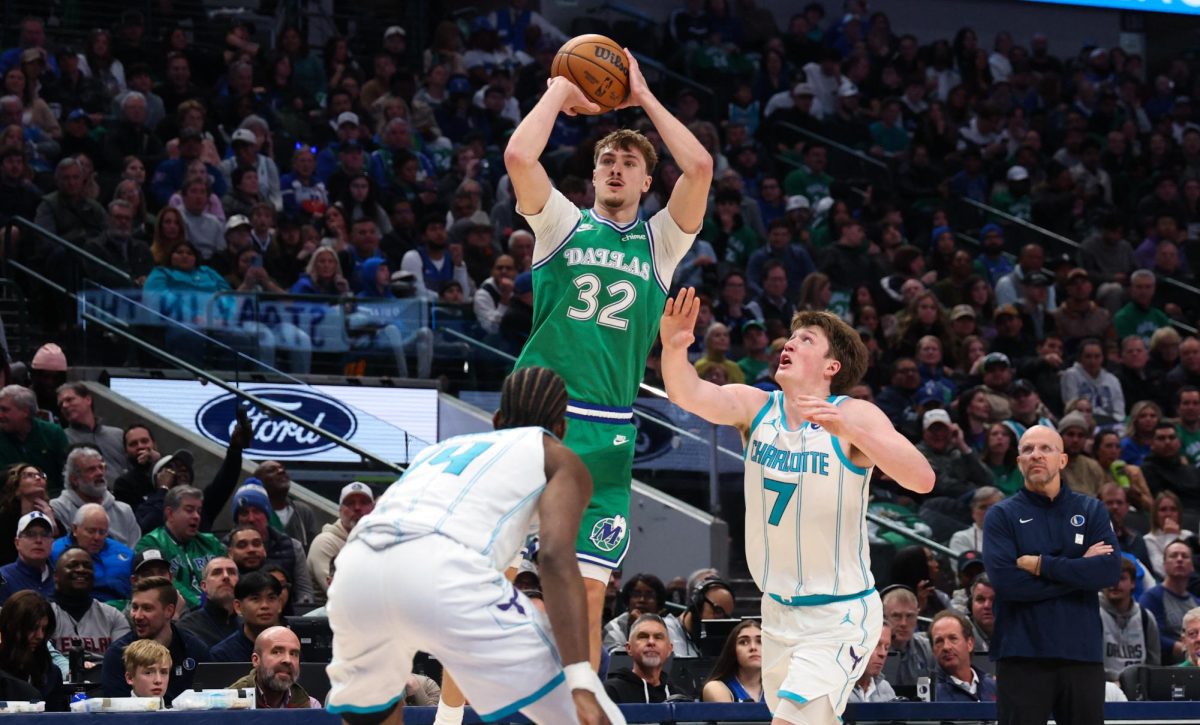
Even the NBA isn’t safe from this. Fans romanticize old eras so heavily that it affects how people view the modern game. Any time a current player starts to dominate, the immediate reaction is, “But he wouldn’t survive in the 90s,” or “This era is soft.” Instead of appreciating new talent and the evolution of the sport, conversations get stuck comparing everything to the past. It creates a climate where nostalgia overshadows current greatness, and it makes it harder for new players to get the credit they deserve simply because they’re not living up to someone’s memory of a time that can’t be replicated.
And that’s where nostalgia becomes a problem—not when it honors the past, but when it replaces originality. When it encourages companies and creators to recycle instead of reinvent. When it keeps us looking backward instead of forward. It’s also where people romanticize their past to make it better than it actually was.
Nostalgia is not all bad. Nostalgia can be beautiful, grounding, and culturally rich. It connects generations and keeps history alive. But when nostalgia becomes the only vision ,when it becomes a safety net instead of a tool, it starts to suffocate creativity. It stifles the listeners and consumers so much, it becomes the only thing they ask for. Idealizing that period may ultimately constrain their creativity and hinder their ability to envision what comes next.
Sources:
https://www.merriam-webster.com/dictionary/nostalgia
https://en.wikipedia.org/wiki/Sonic_Generations
https://www.youtube.com/watch?v=qr2dr4JJGMg
https://www.youtube.com/watch?v=KwzHW-c5h7M
https://en.wikipedia.org/wiki/Luther_(song)
https://www.youtube.com/watch?v=w7GTqldbi60
https://news.gatech.edu/features/2025/09/generating-buzz-how-nostalgia-becomes-big-business