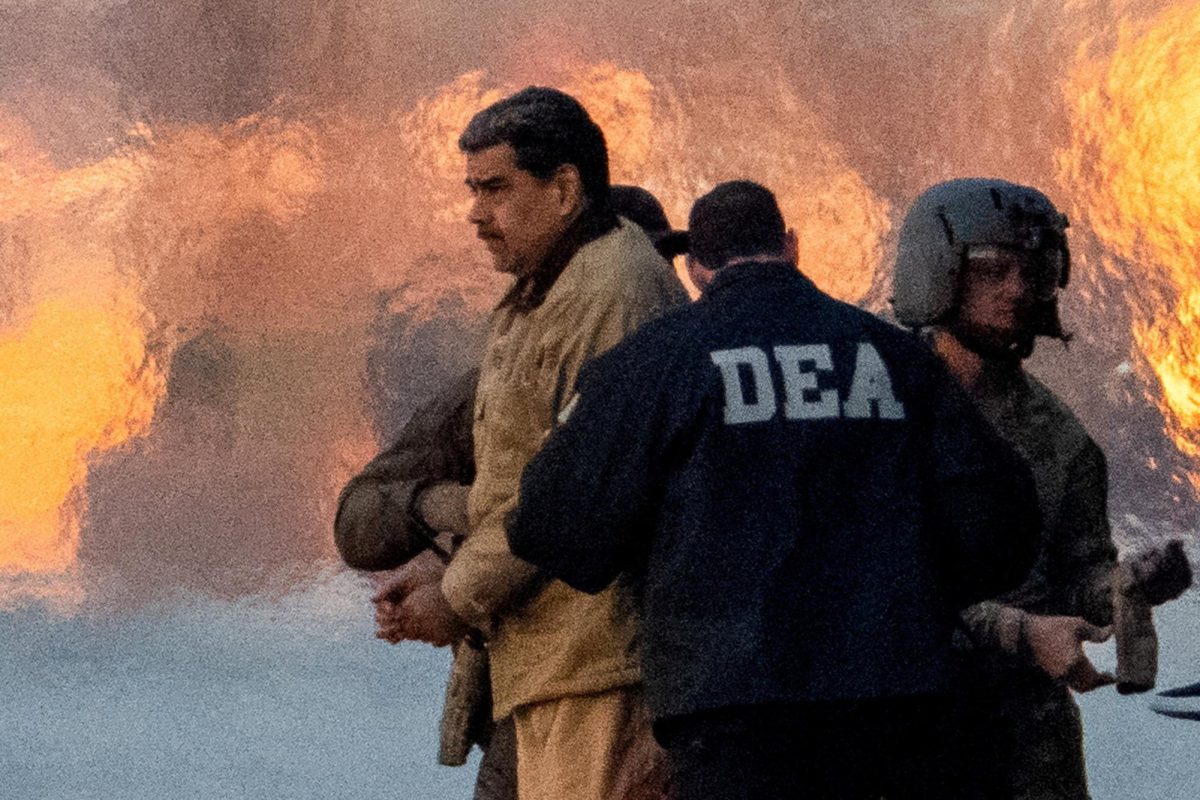
Early on Saturday January 3rd, 2026 United States Special Forces raided Venezuela’s former president Nicolás Maduro’s compound in Caracas and captured him and his wife Cilia Flores, citing charges of narcoterrorism and drug trafficking.
Maduro, a member of the United Socialist Party of Venezuela, took power in 2013 following his predecessor, Hugo Chavez’s, death. His term consisted of economic collapse, hyperinflation, and presumed human rights abuses. In the 2024 election, Maduro claimed victory, however over 50 nations have not recognized him as a legitimate president including the United States, Canada, and France, as well as key international organizations like the European Union (EU) and the Organization of American States (OAS). Many nations have even viewed him as a dictator who stayed in power through fraudulent voting and military loyalty.
“Operation Absolute Resolve” was the result of months of pressure. In late 2025, the U.S. officially designated the “Cartel de los Soles”, a cartel associated with Maduro, as an official Foreign Terrorist Organization (FTO). By doing this it creates the legal justification to treat his capture as a law enforcement extraction, rather than a traditional act of war. Additionally, the U.S. cited the need to stop the flow of illegal drugs into the US and expressed intent to stabilize Venezuela’s oil industry.
After their capture in Caracas, Maduro and Flores were flown to New York, where they were arraigned in federal court on drug trafficking and narco-terrorism charges. They pleaded not guilty and Maduro has since called himself a “prisoner of war”. The next scheduled hearings are expected to be in mid-march where the trial will continue.
Due to the ongoing political unrest, economic pressure, and external pressure, Venezuela’s future is still uncertain. After contentious elections, deteriorating democratic institutions, and persistent humanitarian issues, the administration has had difficulty winning back trust from the public. Millions of Venezuelans are still impacted by migration, high inflation, and shortages of necessities.
It is anticipated that the United States will continue to influence Venezuela’s course through a combination of limited participation in diplomatic pressure. According to US authorities, their objectives include assisting democratic processes, and using international relief organizations to meet humanitarian needs.
Future Venezuela and US policy decisions continue to revolve around oil. Although Venezuela has some of the greatest oil reserves in the world, years of poor management and under investment have drastically decreased product production. Any significant comeback of the oil interest industry, according to experts, would take years and require significant foreign investment. If political circumstances improved, the US might permit some oil related collaboration.
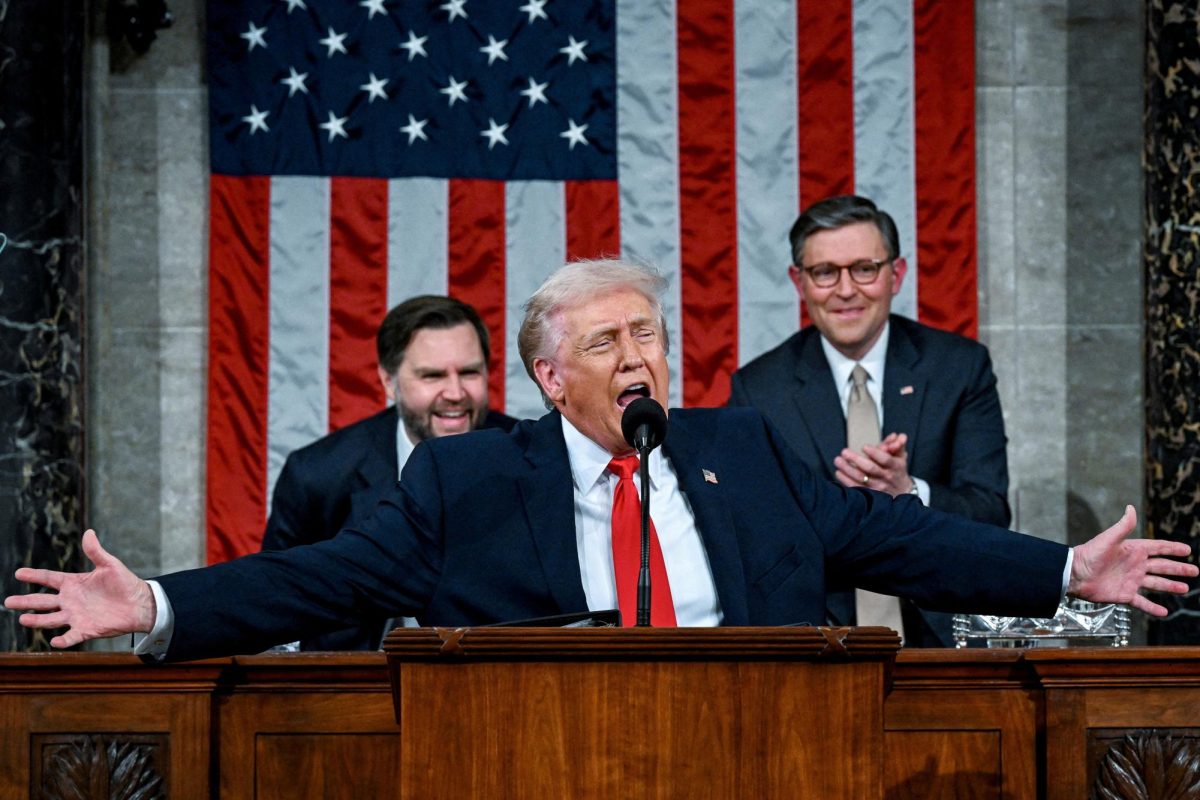
Following the capture of President Maduro, protests across the country broke out. This conflict sparked controversy here and across the globe. Though many Venezuelans celebrated the removal of Maduro, there is concern surrounding the future of the country. Following the operation the Trump administration held a press conference discussing the future of Venezuela, and since has led to a lot of confusion. In response to this on January 5th the Venezuelan Government sworn in vice president and oil minister Delcy Rodriguez, as the interim leader of the country at the National Assembly.
To follow for more updates please visit these sources.