The word whitewashed gets thrown around a lot these days. It’s tossed out when someone listens to indie music instead of rap, speaks “too proper,” or doesn’t fit whatever box society decided their race belongs in. But the truth is, the idea of “acting Asian ” or “acting Black” has never made sense and doesn’t exist—because you can’t act as a race. Race is not a script. It’s not a costume. It’s not a checklist of how you’re supposed to sound, dress, or carry yourself.
The definition of white-washed is “to alter (something) in a way that favors, features, or caters to white people.” It also means to disrespect your culture to fit into the masses. One example could be if I were denouncing my Nigerian heritage so I can be accepted.
When people call someone “whitewashed,” what they’re really doing is reinforcing the same stereotypes they claim to hate whether they realized it or not. It is really offensive. It’s a way of saying there’s only one way to be Black, Asian, or Latino—and that anything outside of that is somehow less authentic. But culture isn’t a cage; it’s a spectrum. A Black kid who loves skateboarding, classical music, or anime isn’t “acting white.” They’re just living their life.
The problem with this mindset runs deep. It comes from centuries of stereotyping—of movies, schools, and systems telling us what “normal” looks like. Hollywood built characters out of clichés, the media highlighted the same tired narratives, and even within our own communities, those messages stuck. To add on to that, these stereotypes are often portrayed negatively by both the media and the entertainment industry.
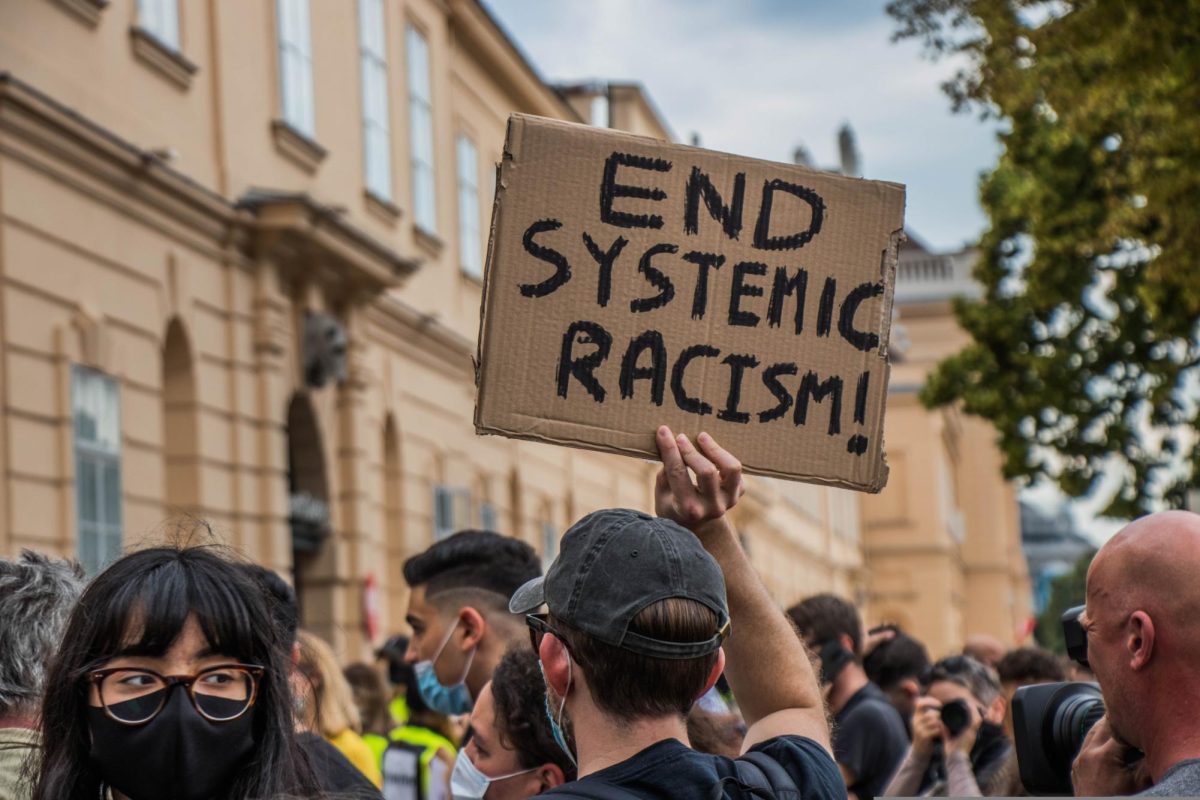
This has a lot to do with systematic racism. The meaning of that is “discrimination or unequal treatment on the basis of membership in a particular ethnic group (typically one that is a minority or marginalized), arising from systems, structures, or expectations that have become established within society or an institution.”
Thanks to this, black people are seen as ghetto and loud, Asian people are expected to lack social skills, Latinos are viewed as immigrants, etc. so now when someone steps outside those lines, they get labeled.
Minorities also express this rhetoric as well because it’s been so overused, and white people will say “you don’t act….”. And that label, “whitewashed,” becomes a form of gatekeeping—deciding who’s “real” enough to belong or in other cases, how they will be treated and accepted.
But identity isn’t something that needs approval. You can’t shrink someone’s culture down to slang, music taste, or fashion. Acting “a race” doesn’t exist because being part of a race isn’t a performance. It’s heritage. It’s history. It’s a lived experience. It’s not something you can lose because you like some alternative choices.
At its core, calling someone “whitewashed” says more about the person using the word than the one it’s aimed at. It shows how much we’ve all been trained to equate authenticity with stereotypes. The goal shouldn’t be to fit into what people expect—it should be to exist freely, without being boxed in by color-coded assumptions.
I will say that being white-washed does exist. There are people out there who are willing to disrespect their culture to be embraced. The Tyler the Creator controversy is a great example of this. We have to take into account that he too did get hit with the white-washed claims because he was “alternative” and didn’t fit into the stereotypes of a black person.
While yes, I do believe he’s a changed man, but he still has to take accountability for his past actions and lyrics. From 2009 to 2014, he was known to disrespect the black community, wearing “kkk” outfits, having racist merch of black people, and more. He was a part of the crowd of people who would say “I’m not like those other black people” which is a whole other issue.
However, there’s no such thing as “u don’t act black.” cause they’re just acting like themselves. Maybe if more people understood that, we could start dismantling the labels that divide
Sources used:
https://languages.oup.com/google-dictionary-en/
https://www.merriam-webster.com/dictionary/whitewash